
$0.00

How Do I Cope with Grief and Loss?
“I don’t know how to cope with grief”
You are here because of the death of a loved one. Or because of another type of painful and irreversible way of losing a loved one. And you don’t know how to cope.
You’re not alone.
You do not have to deal with your grief unsupported. It takes time to deal with loss and mourn. And each person’s grief and grieving process is unique. But there is help available.
Friends and family, a professionally licensed grief counselor or therapist, and support groups are all good resources to help you through this time.
Your Next Steps:
You may be feeling overwhelmed. Don’t worry. You don’t have to do everything today! Just choose one of these, and that can be enough for today.
- Understand What You’re Feeling (Jump to What Grief Feels Like)
- Learn 5 Keys to Coping with Grief (Jump to the Keys)
- Find Encouragement in a Specific Area of Grief (Jump to Options)
- Resources that May Help (Jump to Resources)
What Grief Feels Like
Grief is different for every person. Some may experience grief as waves of emotion, loneliness and longing for what was. Others may feel trapped on a roller coaster with fear and anger and even guilt strapped in with them.
Sometimes, its hard to wrap your own mind around how grief feels, much less explain it to others.
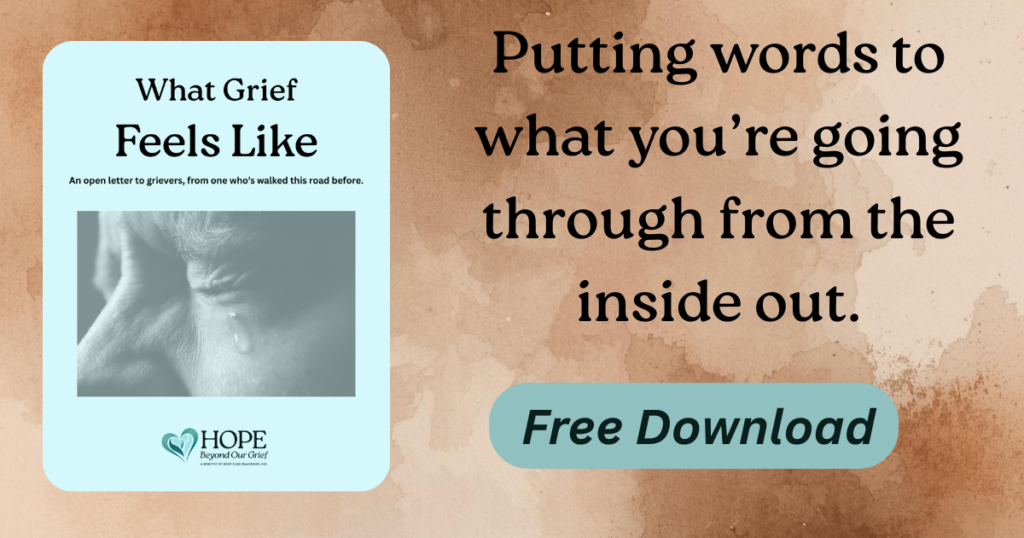
Here is a free download that puts it all into words. Words that may just help you process what you’re experiencing, and grasp that you’re not the only one who feels that way too.
Are You Wondering “How Do I Deal With Grief?”
Feelings of grief are often overwhelming. And the physical symptoms of grief are real. Changes in appetite, sleep patterns, heart health, and so much more.
You may be wondering if you’ll ever come to terms with your loss, or even feeling guilty because there’s something you “should” have done or said before your loved one died.
All of these things are common to the grief process. People who have lost a loved one deal with them and find a way out the other side.
You can too! Here are some key strategies to get you started:
How To Cope While You Grieve a Loved One
When you grieve a loved one, there is no right or wrong way to feel. But by understanding the grieving process, you’ll find coping with loss a little more manageable. Because knowing that time alone isn’t enough, you must also work towards healing, or you risk getting stuck in complicated grief.
5 Keys to Coping with Loss
While there are many types of grief, there are several things that help most people who are grieving a significant loss. Some are healthier than others. Here are a few to get you started.
1. Give yourself permission to grieve. No matter what it looks like, this loss has impacted you, and you’re allowed to have feelings about it.
2. Take care of yourself, and your basic physical needs (food, rest, movement, hygiene, medical issues). The mind and heart will take time to work through the grief. Don’t neglect what your body needs in the meantime.
3. Give yourself room to process. Journal, pray, think. But don’t isolate yourself too much.
4. Talk to safe people. That may mean friends and family, or professional counseling.
5. Avoid making major decisions too soon. Bereavement can cause you to make major changes or refuse to change anything. Give yourself some time to grieve your loved one so that you can make clearer, more thoughtful decisions.
These are some specific topics that may help:
Navigating the Grieving Process
As you walk through the loss of a loved one, what would be most helpful to you today? Where are you in your grief journey?
Resources That May Help
Here are some resources that many others have found encouraging as they navigate grief and loss. You may find something that fits your current situation:
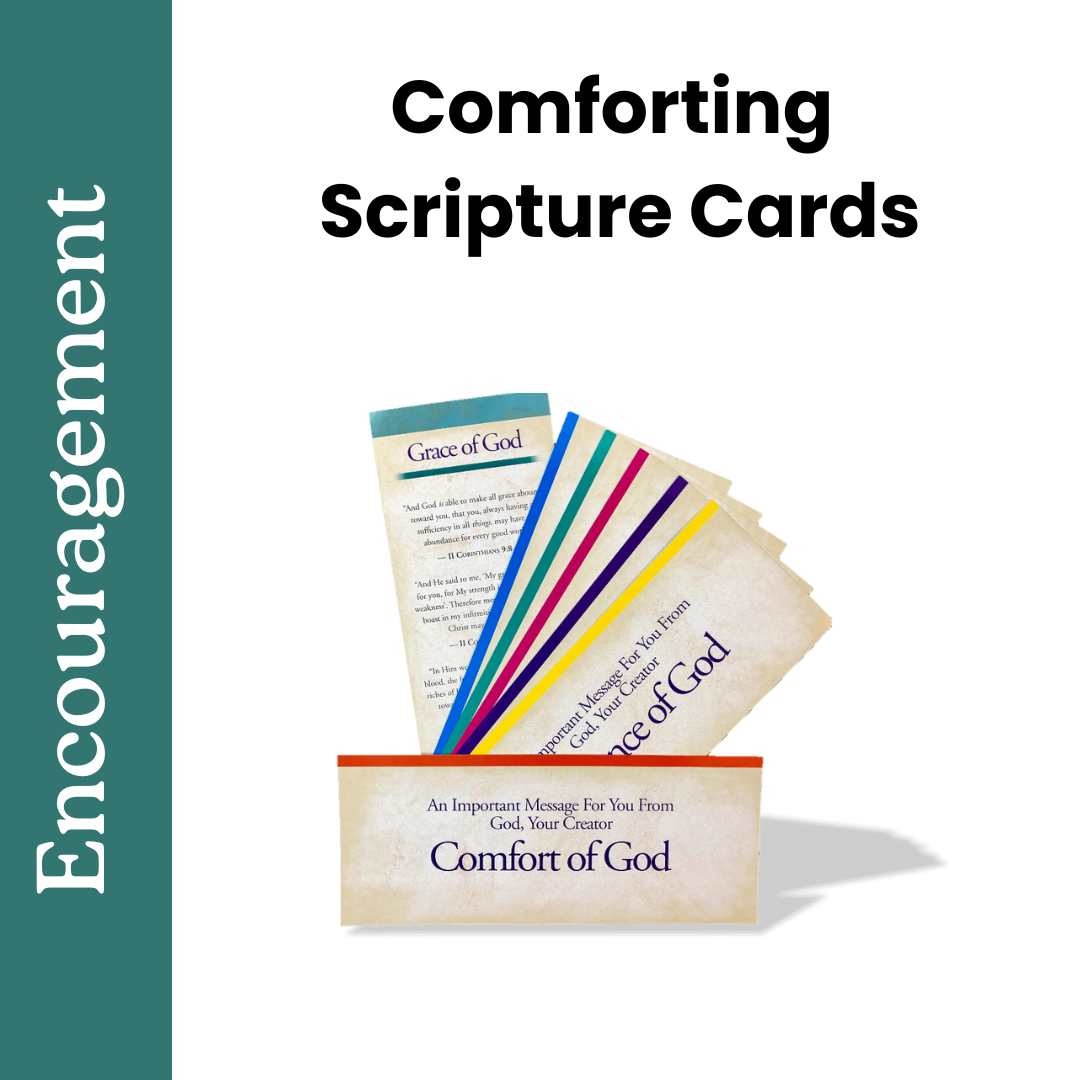
These Comforting Scripture Cards are great for moments when finding the right words, or even the strength to pray feels difficult.
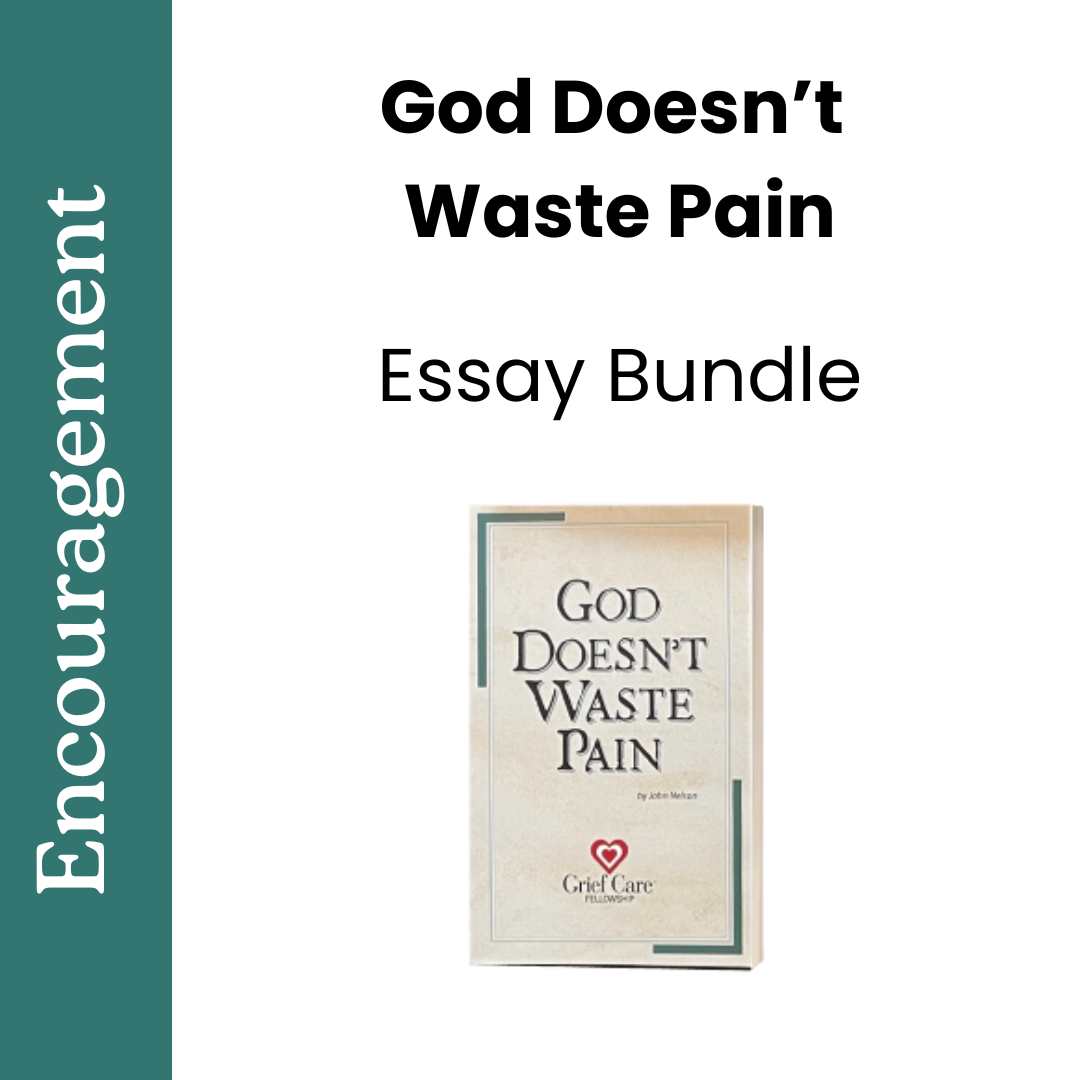
God Doesn’t Waste Pain: A brief resource offering Biblical perspective and hope in suffering.
Hope for Your Tomorrow: An encouraging book to help navigate the stress and stigma that comes when someone you love dies by suicide.

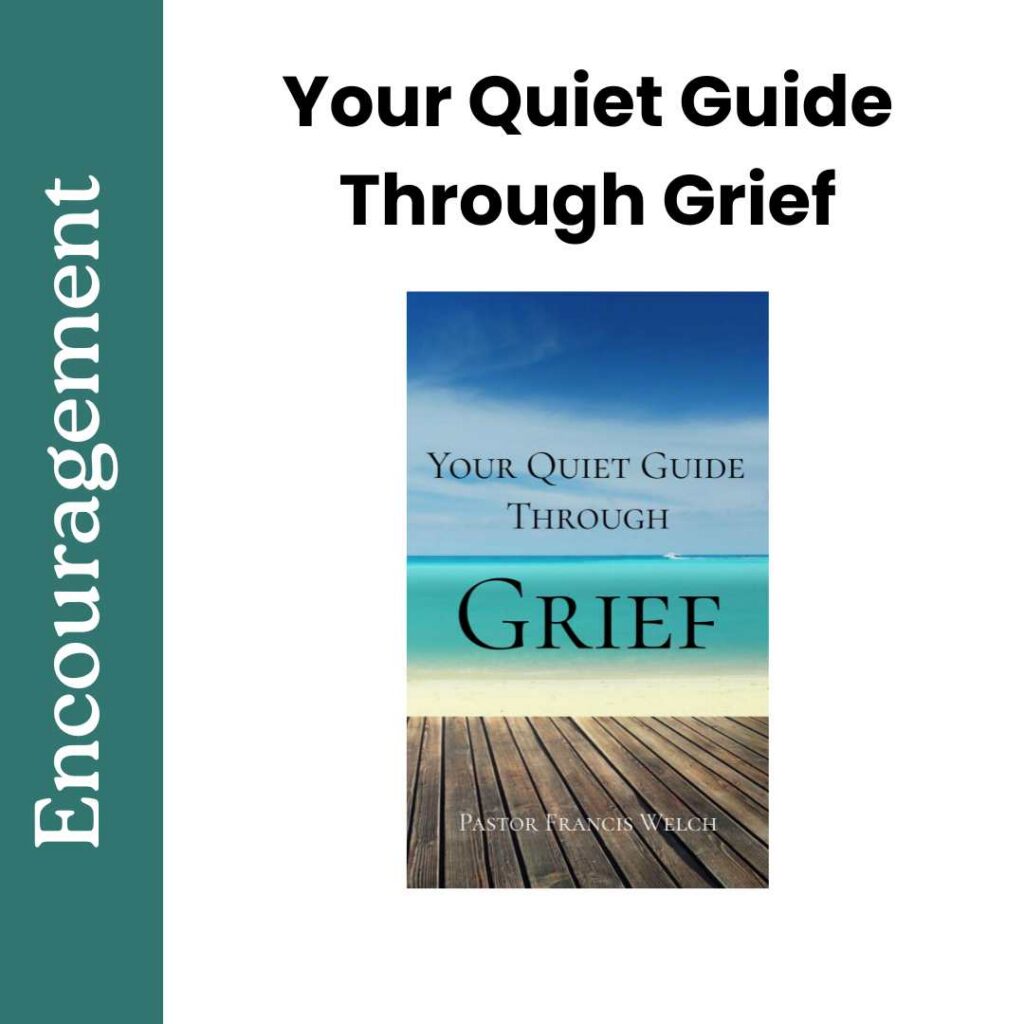
Your Quiet Guide Through Grief: An insightful book of encouragement and comfort as you navigate your loss and try to find your way forward.
If you are looking for a small group resource, we have some video-based programs that we’d love to share with you. You can find more information here.
And here are some of our recent articles to help you cope with grief and loss in more specific circumstances:
More Articles to Help You Deal with Grief and Loss
- What Does Grief Feel Like: Symptoms of the Grieving Process

- Grief After Suicide: You Do Not Walk This Road Alone

- Grief Is Not Linear: Understanding the Ripple Effect

- HOPE FOR GRIEVING FATHERS: SURVIVING THE UNTHINKABLE AS A DAD

- HOPE & ENCOURAGEMENT FOR THE HEART OF A GRIEVING MOTHER

- ADOPTEE GRIEF ON MOTHER’S DAY: HEALING A BROKEN HEART

- FINDING HOPE WHEN GRIEVING THE LOSS OF A MOTHER

- HOPE FOR THE GRIEVING: WHEN YOUR WORLD IS SHATTERED

- WHAT DOES THE BIBLE SAY ABOUT WIDOWS REMARRYING?

- STARTING OVER AFTER LOSS: FINDING GOD’S HOPE AS YOU REBUILD YOUR LIFE

- HOW TO HANDLE PERSONAL BELONGINGS AFTER A DEATH?

- TRIGGERS: THE AWFUL ROLLER COASTER OF GRIEF

- WHAT DOES THE BIBLE SAY ABOUT DEATH?

- DREADED FIRST TIMES: FACING THE UNEXPECTED MOMENTS OF GRIEF

- ADJUSTING TO YOUR NEW REALITY: LIFE AFTER LOSS

- 7 TIPS FOR NAVIGATING HOLIDAY GRIEF WELL

- WHAT DOES THE BIBLE SAY ABOUT CREMATION?

- HOW DO YOU DEAL WITH SUICIDE GRIEF?