
$0.00
HOW DO YOU DEAL WITH SUICIDE GRIEF?
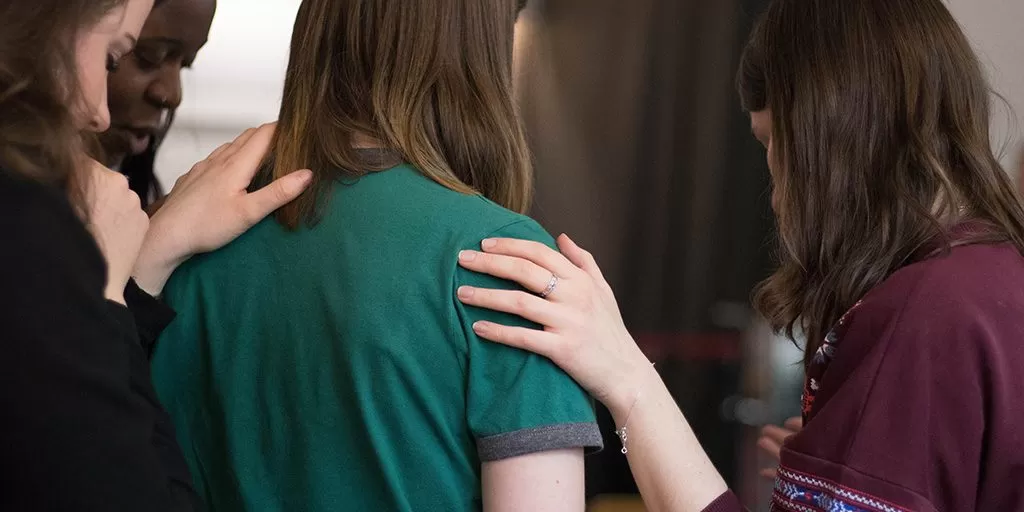
When you lose someone to suicide, your world is rocked in unique ways. Whether or not you suspected there was a possibility, this grief journey is difficult.
The impact of suicide loss can leave you feeling lost and disoriented, wondering what to do and how to cope with the weight of grief, pain, and confusion.
There are aspects of grief that loss by suicide doesn’t give you time to prepare for. You might even feel angry at your loved one for abandoning you when you needed them.
Coping With Complicated Grief After Suicide Loss
Suicide bereavement and complicated grief often go hand in hand. When you lose a loved one to suicide, there are complications on many levels.
Practically speaking, bills and legal issues, along with other day-to-day responsibilities, now need to be reassigned. Emotionally, you may feel choked by unanswerable questions. There’s the normal grief at the absence of your loved one, layered with possible guilt and anger, to name a few.
Coping as survivors of suicide loss can be a bigger challenge than you expected. Your loved one’s death will define your reality for a time, but there are tools suicide survivors can use to help them through the grieving process.
- Bible Reading: The Bible holds so much encouragement, both in David’s emotion-filled Psalms, and in the compassion of Jesus weeping over his friend Lazarus. Spending time with God’s word is a vital tool for coping with a loved one’s suicide.
- Connection: Maintaining (or creating new) connections with others as you grieve the person who died is very helpful. Becoming too isolated can add to your pain and grief.
- Creativity: Whether you start keeping a journal or pick up a hobby, finding a creative way to express your feelings of loss will help you process things, calm your mind, and clear the fog that the loss of a loved one can create.
- Expectations: The type of grief that comes after the suicide of a loved one can be unpredictable. Expect a rollercoaster ride of up-and-down emotions. Expect random things to trigger reminders. Events, smells, jokes, random memories can catch you off guard. Expect that to happen. Don’t set a time limit on the grief and its impact on your life.
- Self-Care: Another very important coping strategy is simply taking care of your body. It can feel overwhelming, but prioritizing your physical health by making sure you remember to eat, take a walk, and take a shower will go a long way in keeping you going in the aftermath of suicide.
- Support Groups: A Bible-based grief support group, or even professional counseling, can make all the difference for someone grieving a suicide. The encouragement of other suicide loss survivors and people bereaved by other means can make all the difference in your healing journey.
Dealing With Stigma When You Lose Someone to Suicide
Unfortunately, there is a cultural stigma often associated with death by suicide. As if the ones left behind shouldn’t grieve because the person ‘chose’ to die, or ‘you’re better off without them’ or some other hurtful and false perspective.
The pain of suicide loss is not less than any other kind of loss. The reality is, you have lost an important person in your life.
Whether the suicide was a surprise or not, whether the underlying issues were known to you or not… Whether or not you enjoyed the person all the time or not. Someone who took up valuable real estate in your heart, life, and schedule is gone.
Please hear me loud and clear. You ARE allowed to be affected by that. To be sad. To miss them. Wish things were different. Do not race through your grief. You shouldn’t be expected to pretend you are fine just because some people are bothered by the stigma of suicide deaths.
Because racing through the process, or pretending you’re unaffected, leads to unresolved grief. And that is a key element of developing complicated grief. Which then leads to physical ailments for yourself.
You can (and should) grieve the loss without approving of the decision of a person who, for whatever reason, felt the best option for themselves and the people they cared about was suicide. We can disagree with them, but we can no longer argue with them or offer help. The only thing left at this point is to move forward, heal, and honor the loved one’s life and memory in some way.
Supporting the Family Affected By Suicide
Bereavement by suicide affects the whole family, which means that the whole family needs support, not just the adults. You may struggle with how much information is age-appropriate for kids, which is normal. But regardless of how much you choose to tell them, they will need extra emotional support and connection. Even the little ones know something is different. Someone is missing. And if they witnessed the event or the aftermath, even more support is needed.
At any age, coping with a parental suicide can be devastating. And if you’ve lost a child to suicide, the feelings of guilt can overwhelm you, even if you were a very active, involved, and connected parent.
Please don’t isolate yourself following the suicide. Accept that you need help processing everything and accept the help that is available.
Resources For Grieving a Suicide
We have several courses that can help navigate these situations: a book specifically written for people bereaved by suicide, and a course for coaching pastors and laypersons how to help someone through this most difficult process.
Professional grief counseling may be called for, and a valuable resource for processing your churning thoughts and feelings.
The American Foundation for Suicide Prevention and SAVE are organizations that have resources for both suicide loss support and tools for getting active to help prevent others from taking this drastic route.
Contact us today to find hope beyond grief for yourself, your church’s grief support group, and the congregation at large.