
$0.00
UNDERSTANDING THE PHYSICAL SYMPTOMS OF GRIEF: HOW LOSS AFFECTS YOUR BODY
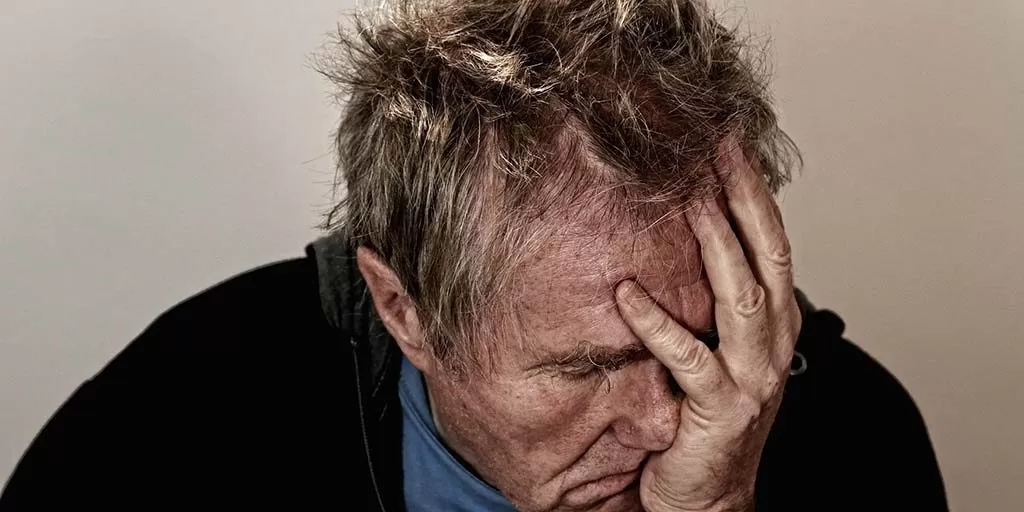
Grief is a natural reaction to the loss of a loved one, and we typically expect strong emotions at that point. But there are often a host of physical symptoms of grief that can significantly affect one’s well-being. Grief can make individuals more susceptible to physical problems like insomnia and chest pain. This highlights how deeply intertwined our emotional and physical health can be.
Common Physical Symptoms of Grief
Throughout our years of ministry, we’ve heard of many cases where someone will feel physically ill or be in pain after a loved one has passed. If this is the case for you, you are not alone, and you are not losing your mind. Physical maladies are not an uncommon complaint among those who are grieving.
How Grief Affects Appetite and Digestion
Many people who are grieving may experience changes in appetite. Sometimes a loss of appetite or, conversely, an increase in cravings. These changes are common physical symptoms of grief that can stem from the emotional pain and stress response triggered by bereavement.
The shock of the loss can also lead to feelings of nausea and gut issues, as the body struggles to process grief. Fortunately, the effects of grief on the digestive system aren’t permanent. As mourners progress through normal grief, their physical well-being usually rights itself.
Does Grieving Cause Physical Pain?
One of the more startling physical effects of grief would be how much it hurts.
Chest Pain/ Tightness – The phrase “broken heart” really makes sense once you’ve experienced the loss of a loved one, especially a particularly close loved one, and felt the heaviness of grief in your chest. Be careful with this one, as chest pain can be ‘just’ a physical reaction to grief, or it might be a warning of medical issues.
Muscle Stiffness and Pain – Involuntary examples include shoulders migrating up your neck, as well as jaw clenching. Both cause pain in the muscles around your jaw and neck, and are common stress responses our bodies will take on without us even realizing it. This can lead to pain in your back and neck or cause headaches. Grieving a loved one is truly a stressor on our bodies, which can cause even more long-term issues.
At this point, solid self-care becomes critical. Coping with grief requires looking out for your future self in ways that may seem meaningless in the moment. But your future self will be grateful that you took the time.
What About Bereavement-Triggered Sleep Issues?
Disruption of Sleep Patterns – You may find yourself on either end of a spectrum. You may want to do nothing but sleep to cope with the loss of a loved one. Or you might experience post-loss insomnia and spend many nights trying to get some sleep or getting lost in your mind.
You are not alone in feeling these changes. If you’re visiting a physician about your post-loss physical ailments, please let them know of this major life change, as it may even change your treatment plan. Grief takes quite a toll on the brain, too, especially if the manner of loss is traumatic or unexpected (such as in the case of a tragic accident or suicide). Your mental health is important, and we’d love to help you work through the emotions grief brings out.
Hope Beyond Grief
It’s important to acknowledge that these physical effects can be just as challenging as the emotional aspects of grief. Seeking advice from your physician or support from a grief counselor or therapist can aid in managing grief and its physical symptoms. This helps to ensure that the toll on your body is minimized during this difficult time.
Grieving Through the Holidays
November… December… January 1st… This time of year is always tough for someone who’s lost a loved one.
Grief through the holidays can leave you feeling isolated. It doesn’t really matter if it’s your first holiday without your loved one or your 20th. It’s important to reach out to others and embrace the spirit of the season with a strong support system. Consider getting involved with your church, family, or neighbors.
It’s especially prudent to take care of your physical self and the effects grief may have on it as winter approaches. With the colder weather and other seasonal ailments circling around, it makes things harder on your body.
A Gentle Reminder
When someone we love dies, the heart isn’t the only thing that hurts. Grief is not just an emotional experience–it is a full-body experience. Our bodies carry the weight of loss in ways we often don’t expect, and when those symptoms appear, people can feel confused or even frightened by them.
You are grieving, and what your body needs is compassion just as much as your heart does. Rest when you can. Eat kindly. Move gently. Breathe slowly. Allow others to care for you.
Grief is a whole-body journey, and healing often begins with recognizing that your physical symptoms are signs of being human.